
HAKUSAN, ISHIKAWASILK WOVEN FROM A TWIN COCOON
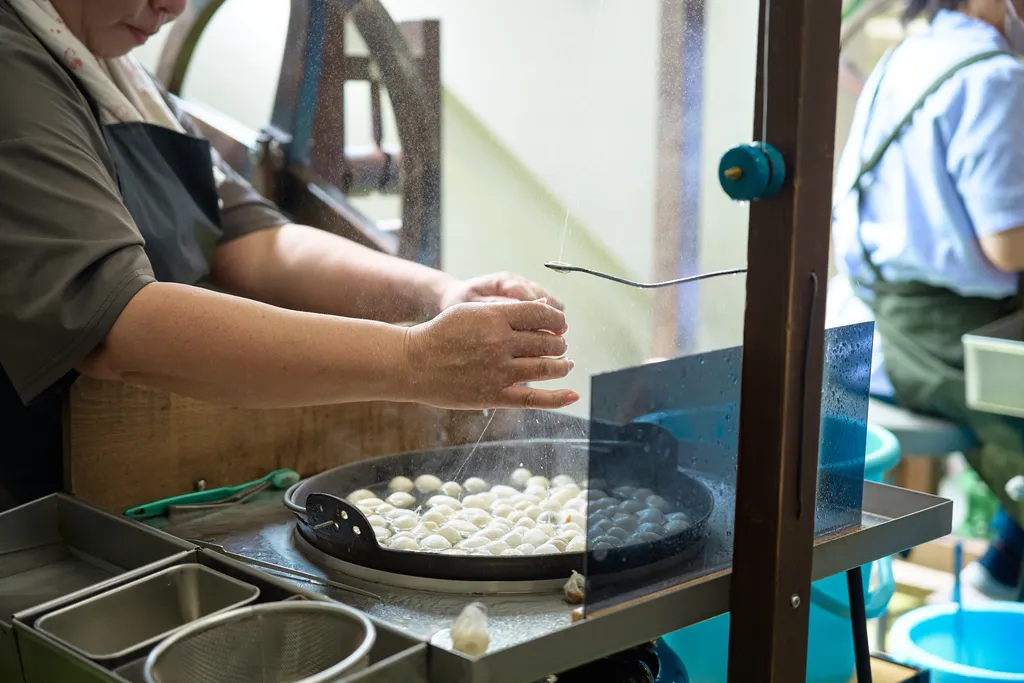
Drawing silk thread from the cocoons by hand
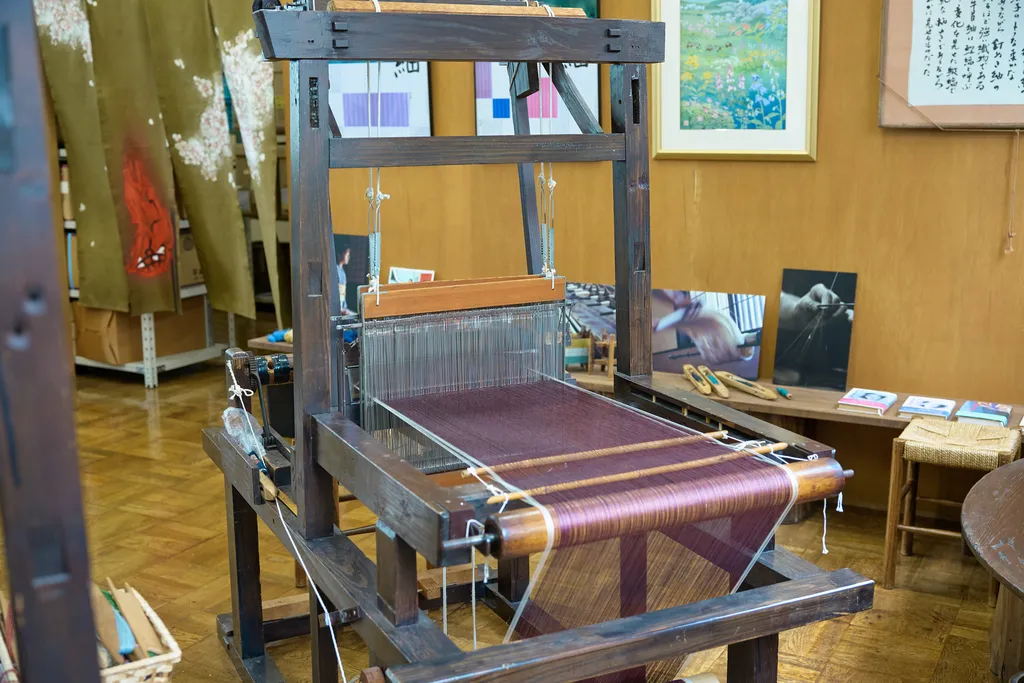
The handloom in the studio
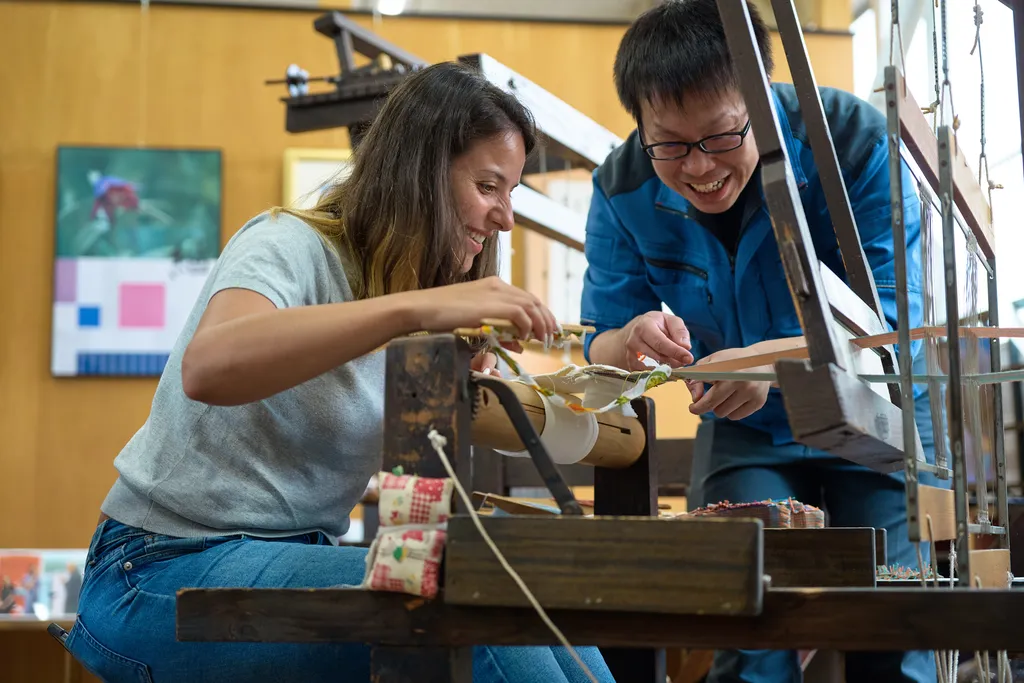
Weaving at the loom with the maker
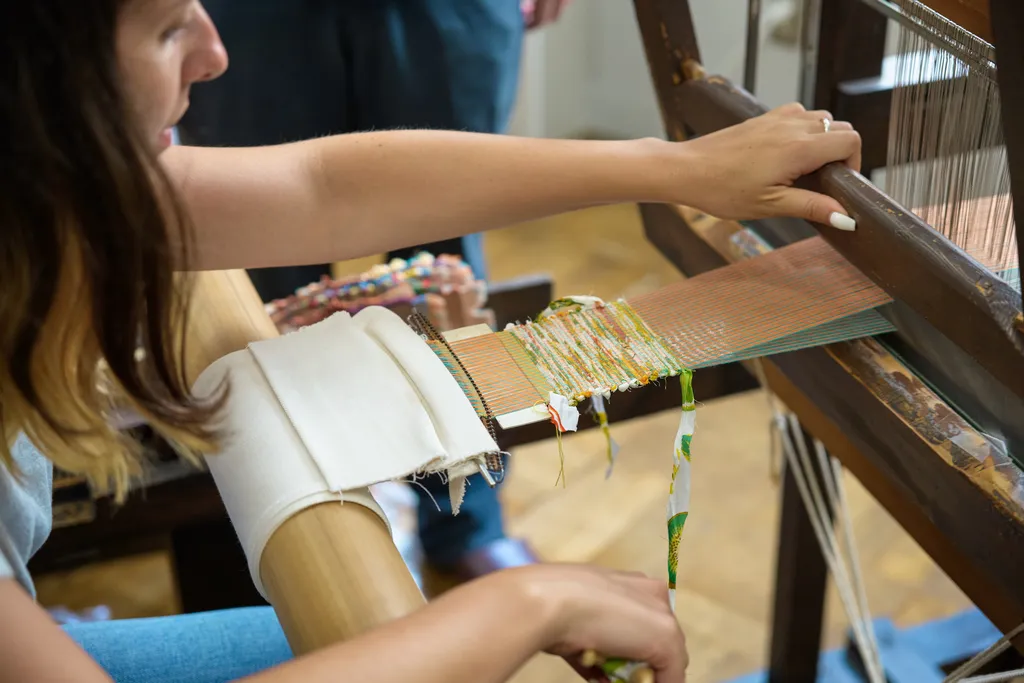
Weaving your own coaster
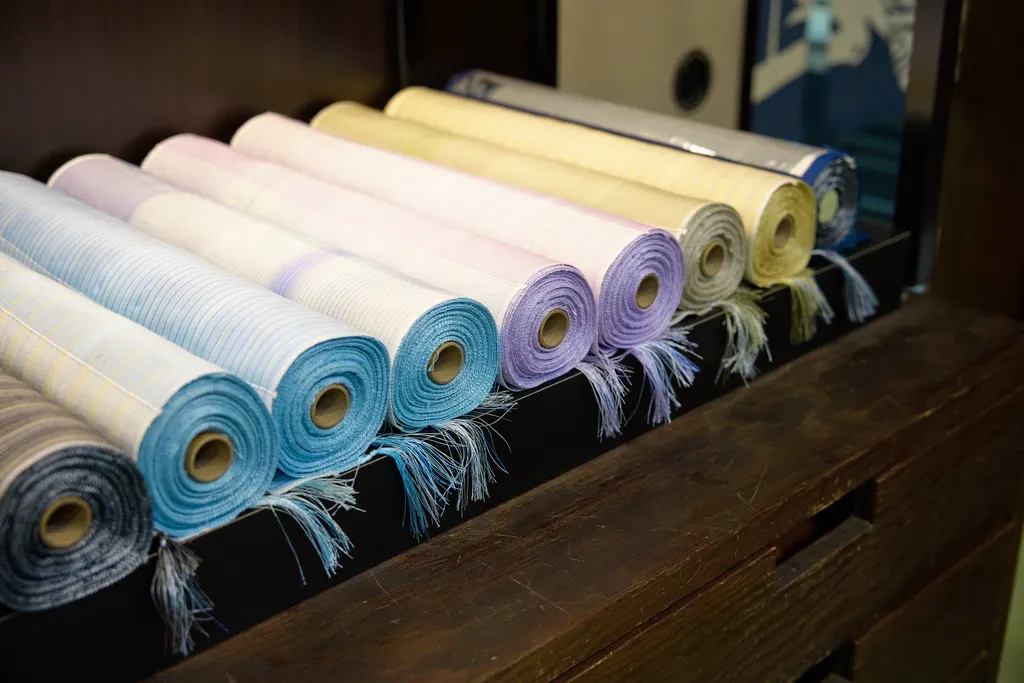
Bolts of finished Ushikubi silk
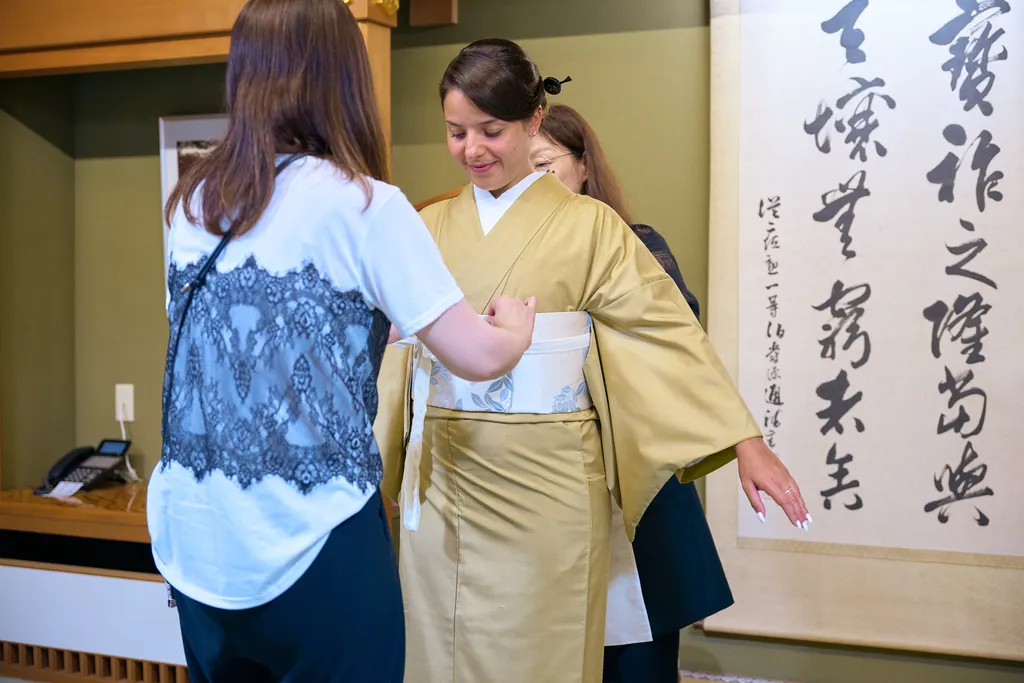
Being dressed in the silk kimono
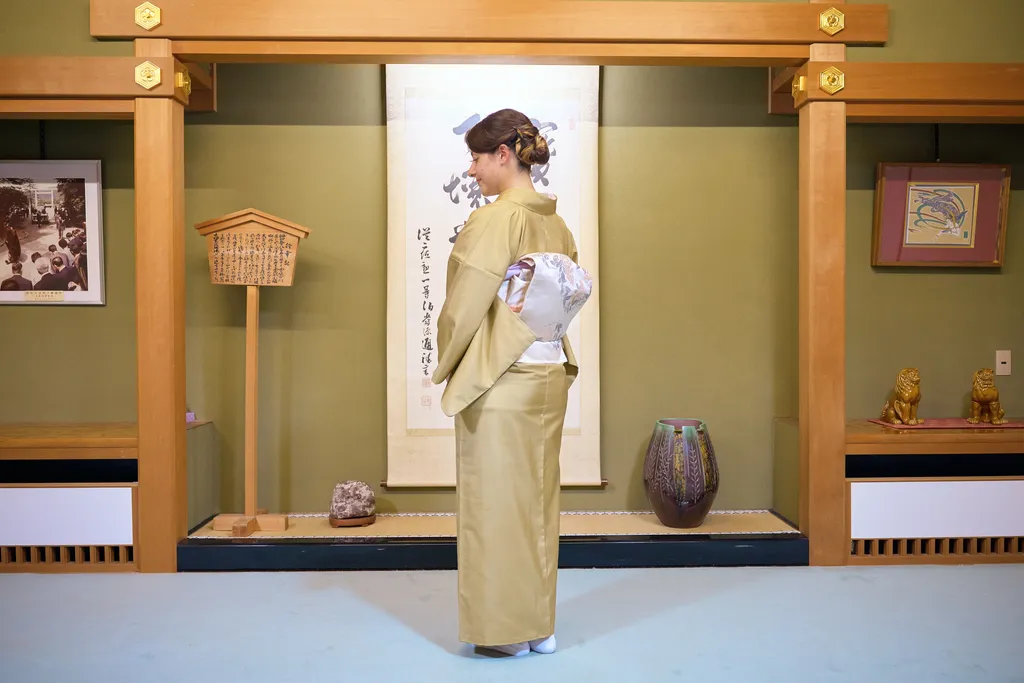
Dressed in Ushikubi silk
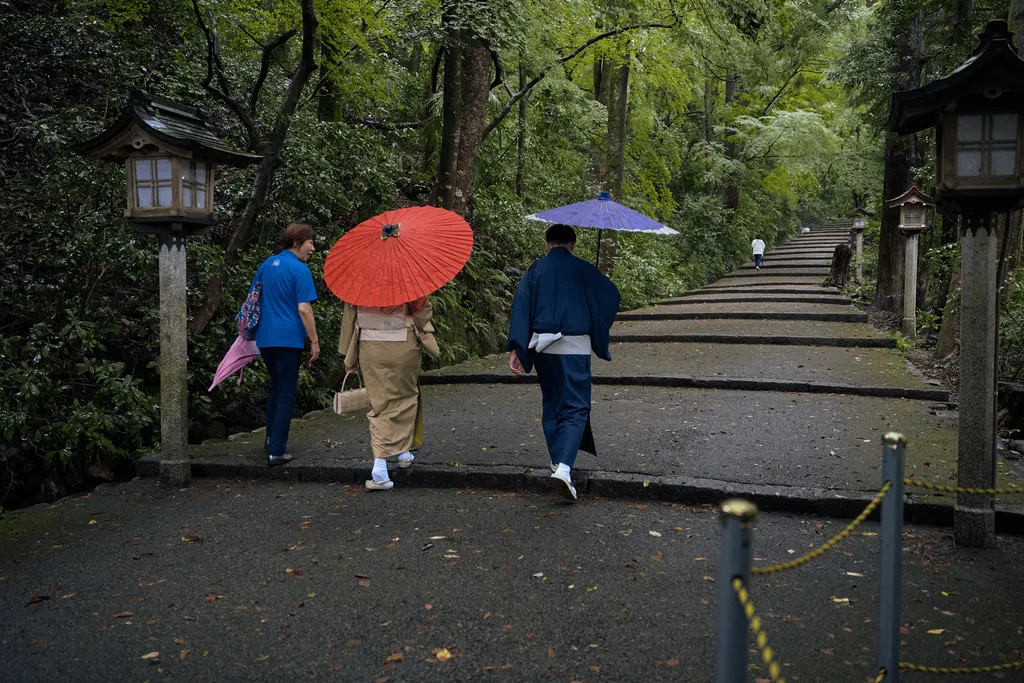
Walking the shrine approach in kimono
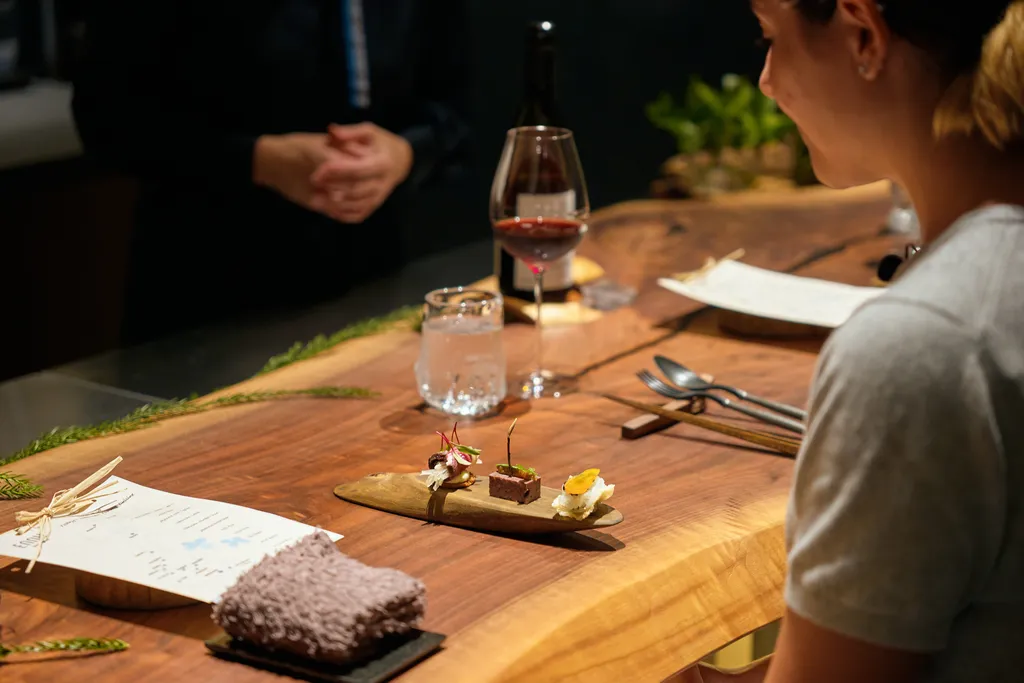
Dishes of the mountains, rivers and sea
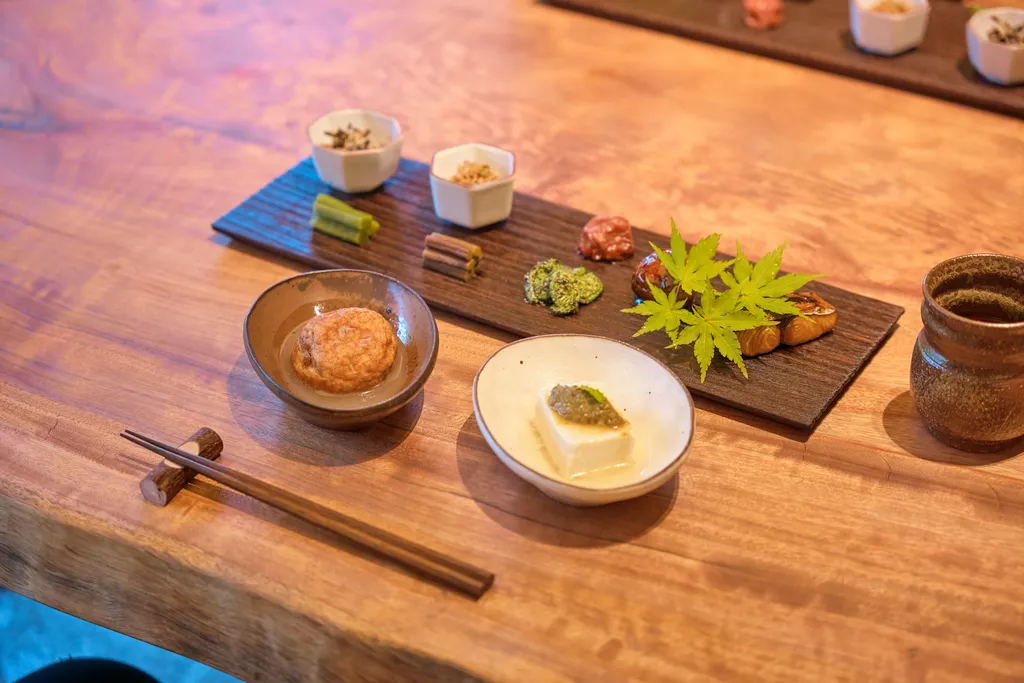
10_A breakfast of local ingredients
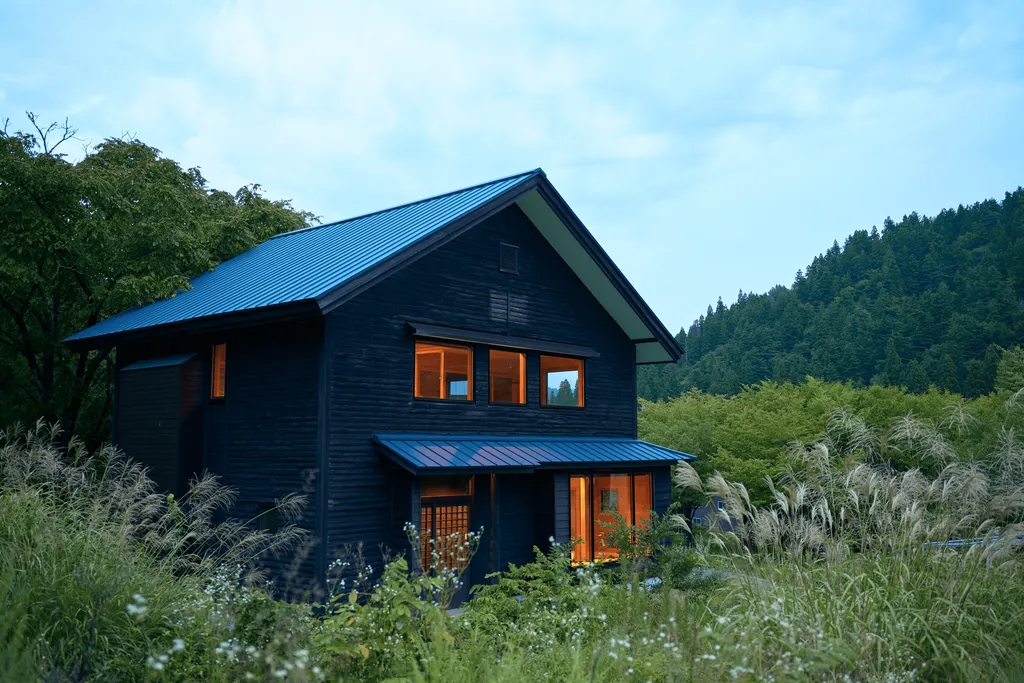
A night surrounded by nature
Hakusan is a mountain area about an hour from Kanazawa, where a rare silk called Ushikubi-tsumugi has been woven by hand for generations. At a working studio near Kanazawa, the weavers let you try both rare parts of the craft yourself, drawing the raw thread and weaving at the loom. You spend the night higher in the mountains, at a small auberge in Shiramine, over a French dinner built on game and river fish from the Tetori valley. The next morning you put on a kimono of this silk and wear it to Shirayama Hime Shrine, the head of some three thousand Shirayama shrines across Japan, walking its old cedar approach beside clear running water. In a single trip you meet the people who keep this silk alive, wear what they make, and sleep in the mountains it comes from.

Experience Stories
THE FAMILY THAT KEPT USHIKUBI SILK ALIVE
You start near Kanazawa, at a studio run by the family that kept Ushikubi silk alive. The silk began centuries ago in a snowbound village, hand-drawn from the cocoons too flawed to sell, twin cocoons in which two silkworms share one shell, and those flaws became its signature, a soft, strong thread no machine can copy. After the war the craft almost died out, until the owner’s grandfather brought it back. They hold to what matters most and take on new challenges where it counts, and that is why their silk has been chosen by Western fashion houses. With the current owner as your guide, you tour the studio, draw the thread and weave at the loom yourself, and make your own coaster, one of a kind in the world.
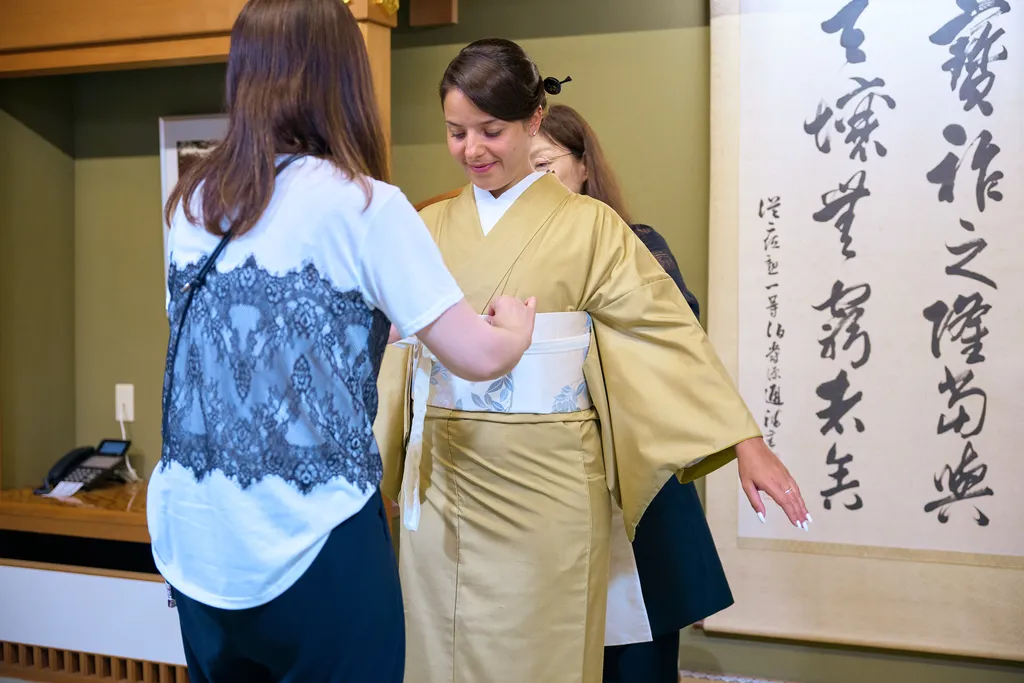
WEARING THE SILK KIMONO
You are dressed in a kimono of this silk, layer by layer, with help tying the obi. Only two workshops in Ishikawa still weave it, a silk that once almost vanished, so very few people ever get to wear it. After seeing how the thread is drawn and woven, the cloth feels different against you, lighter and warmer than it looks.
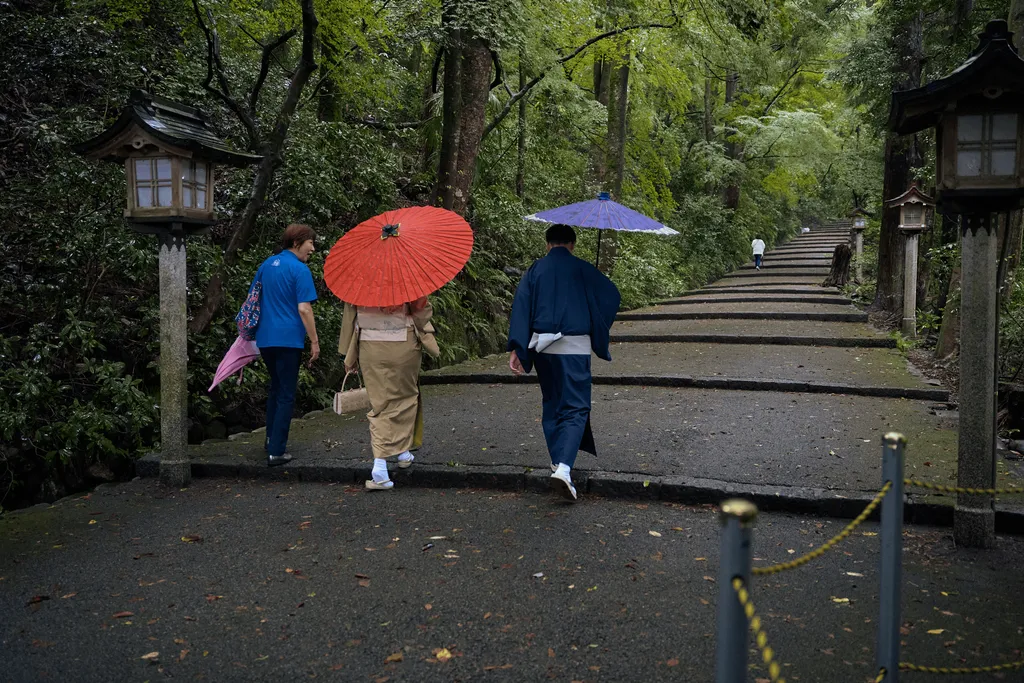
IN KIMONO AT SHIRAYAMA HIME SHRINE
In the kimono, you visit Shirayama Hime Shrine, the head of some three thousand Shirayama shrines across Japan and over two thousand years old. It honors Mount Hakusan, the source of the region’s water, and a goddess known for bringing people together and settling quarrels. You walk the old approach under tall cedars, past an 800-year-old sacred tree wrapped in a straw rope, with clear mountain water running beside you. Inside, a priest offers a formal prayer for you.
DINNER AND A NIGHT AT ENNU
Higher in the mountains, in the small village of Shiramine, you stay at ENNU, an auberge run by a chef and his wife. Much of the cooking is done over a wood fire, French in style but built on the mountains, rivers, and sea of Ishikawa: local game, river fish, and lamb raised at a farm minutes away, with sake and wine poured by his wife, a sommelier. The name ENNU means connection in Finnish, and that is the heart of the place, the ties to this land and to the farmers and families who feed it. You spend the night there, in the quiet of the mountains.
Bespoke Japan Travel
READY TO MAKE IT YOURS?
Tell us what moves you. We'll craft the journey around it.
Start PlanningRELATED EXPERIENCES