
WAZUKA, KYOTOFrom Leaf to Bowl: Where Kyoto’s Tea Is Grown
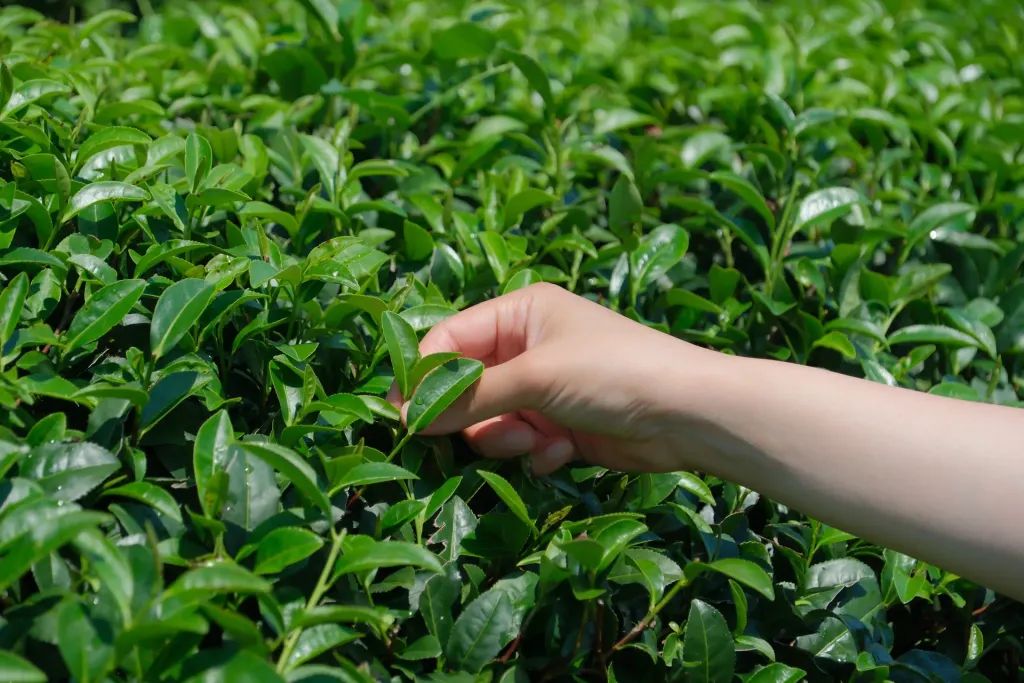
Picking Tea
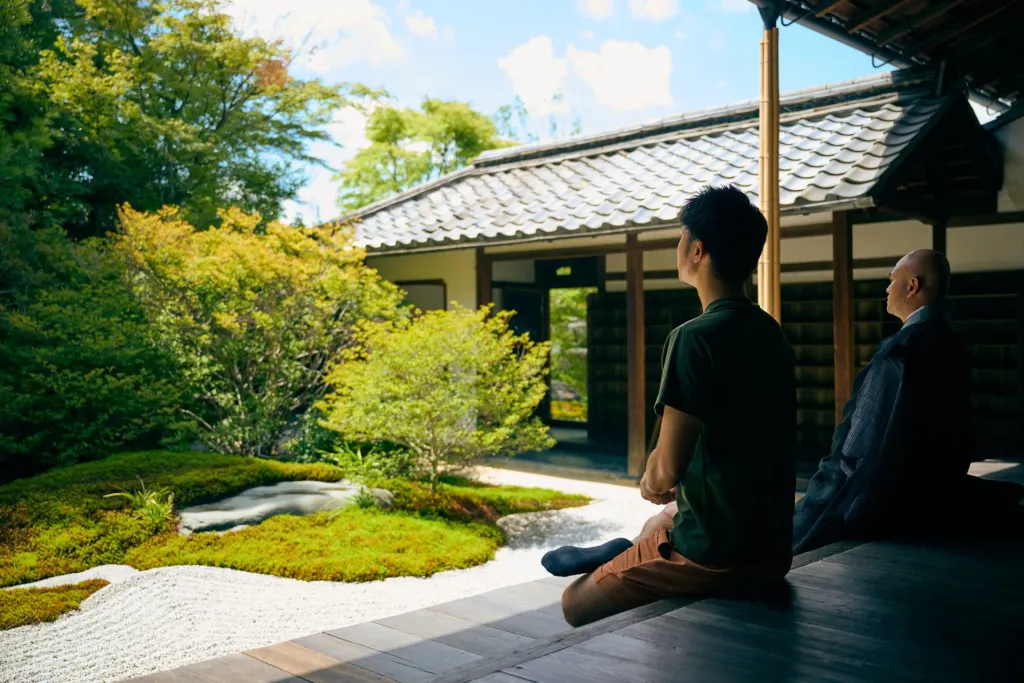
Kenninji, Where Tea Culture Began
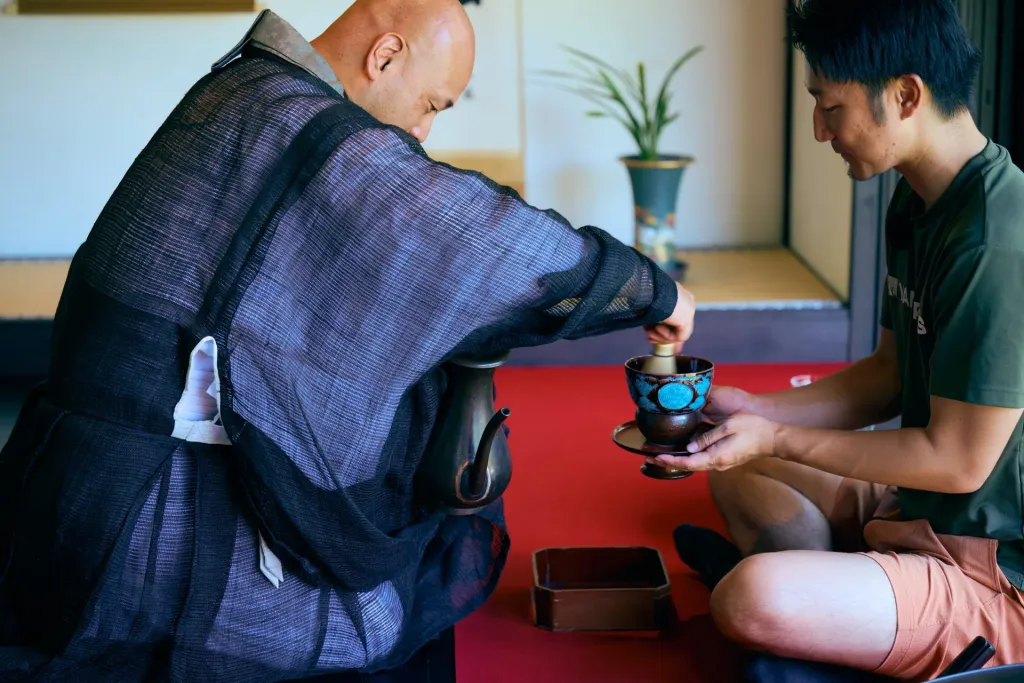
The Monk Whisks and Serves the Matcha
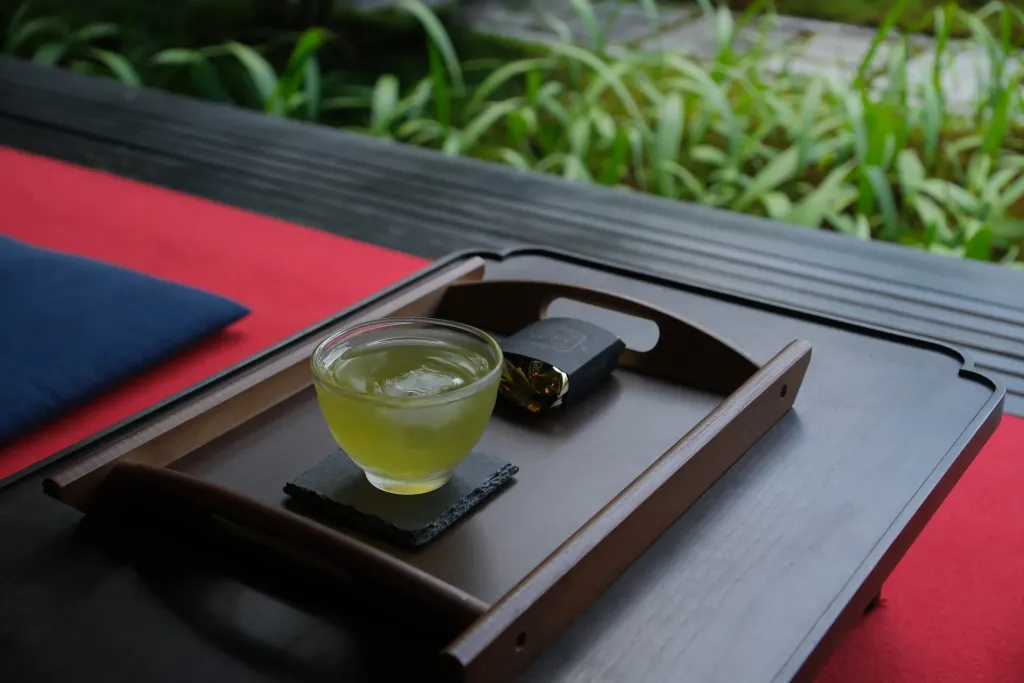
A Cup of Tea at Kenninji
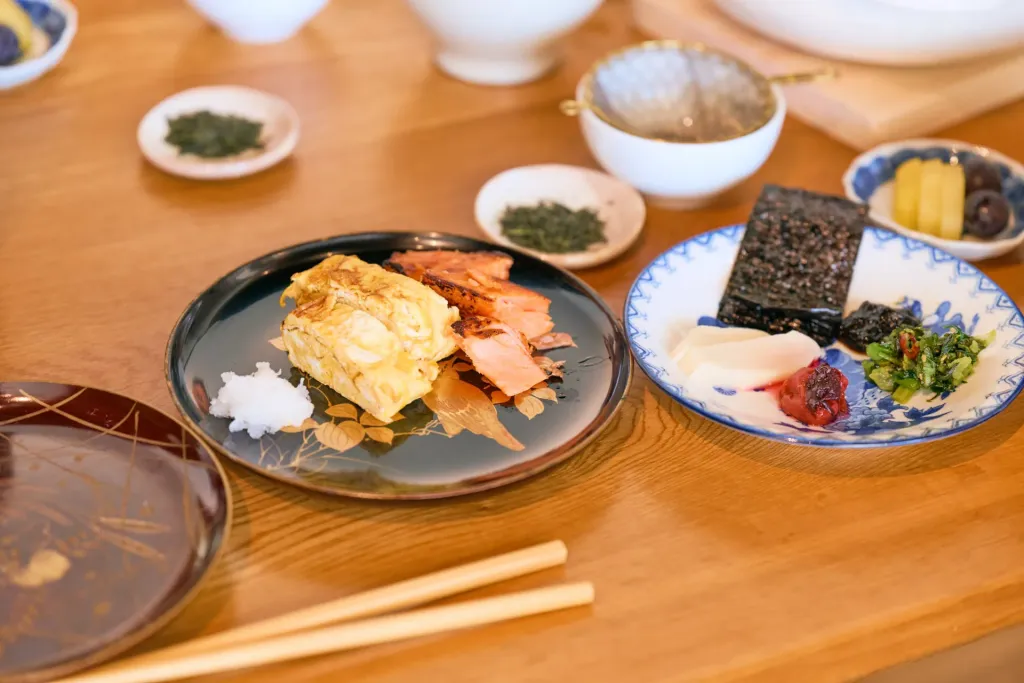
A Kyoto Meal, Made by Your Own Hands
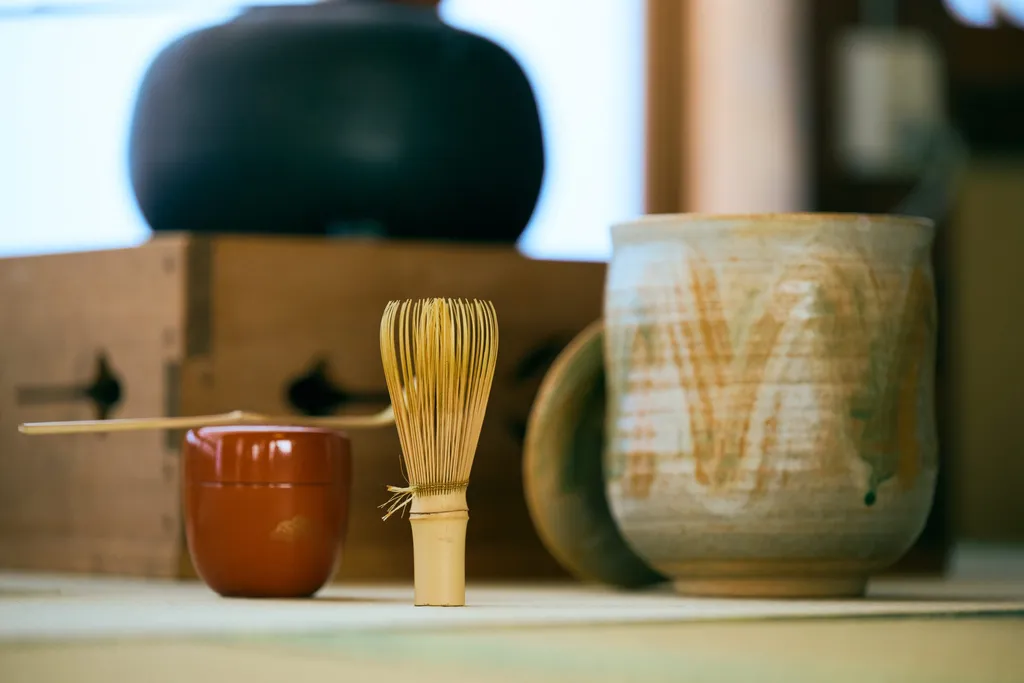
The Tools of the Tea Ceremony
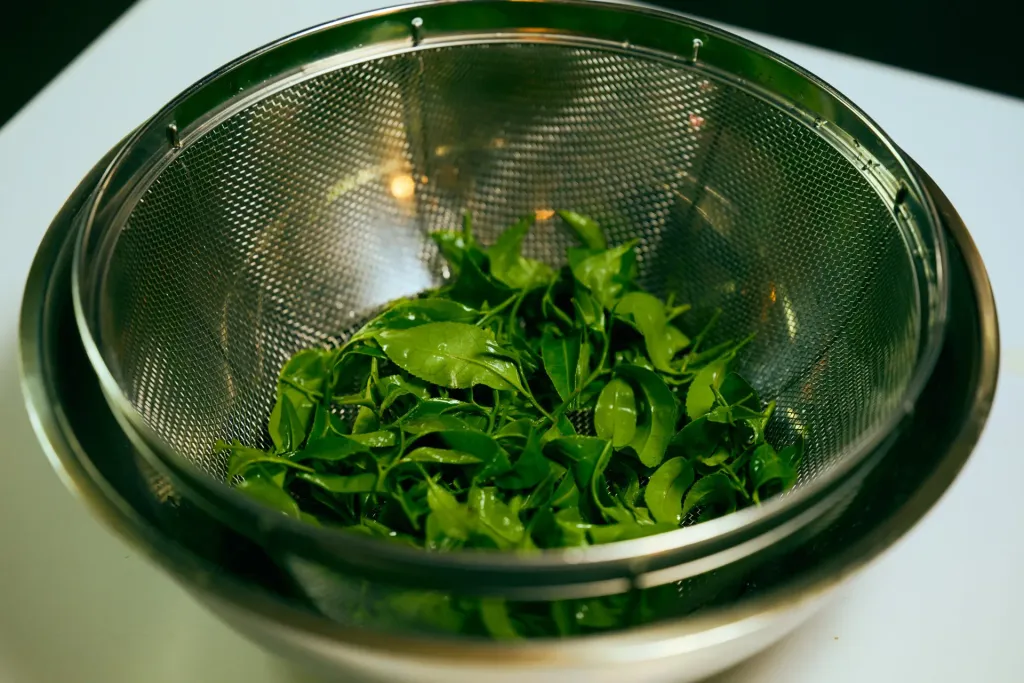
Freshly Picked, Ready to Process
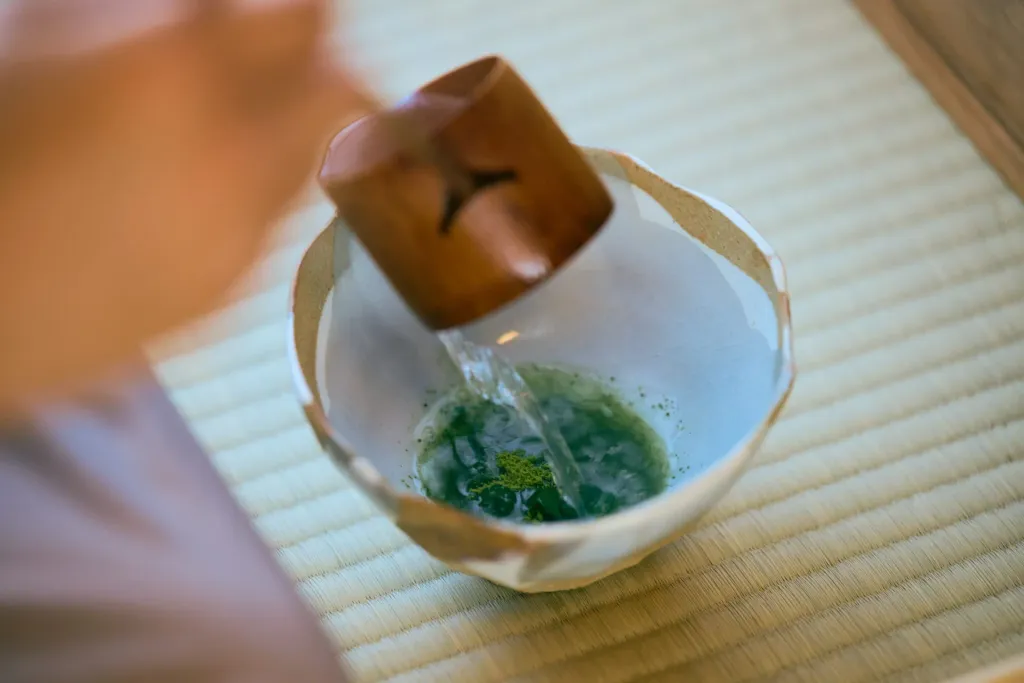
Pouring Hot Water into the Matcha Bowl
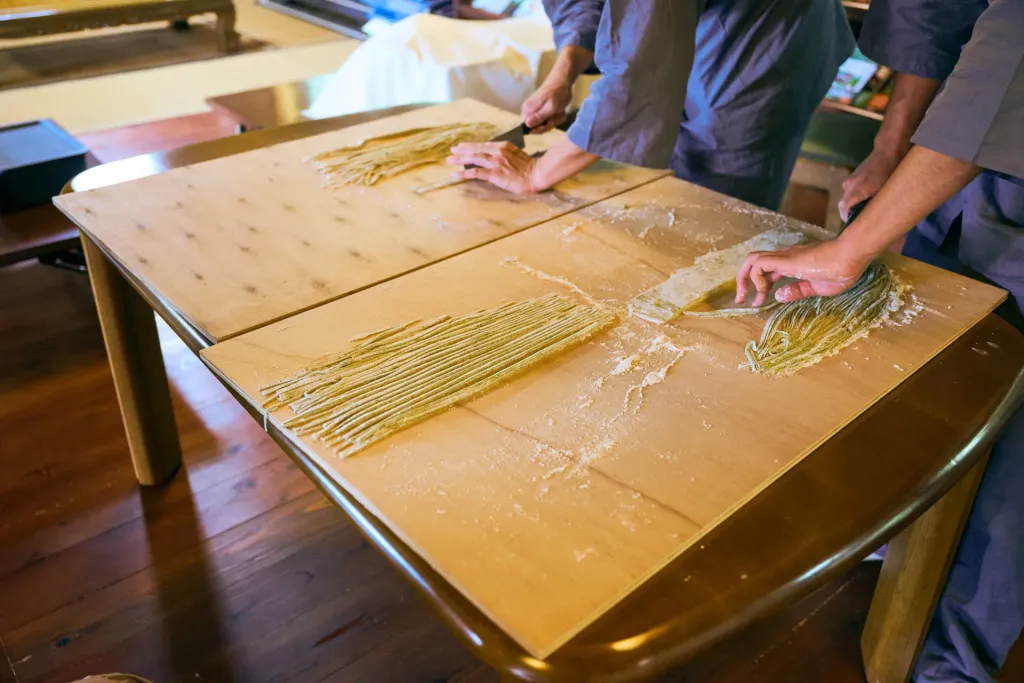
Cutting the Matcha Soba You Made
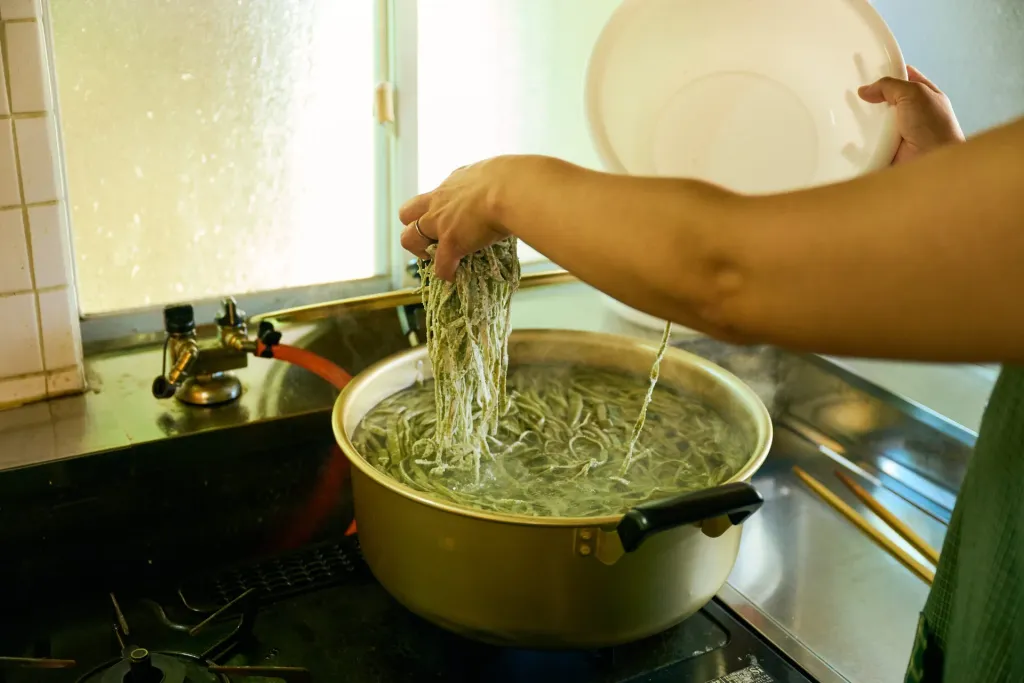
Boiling the Soba
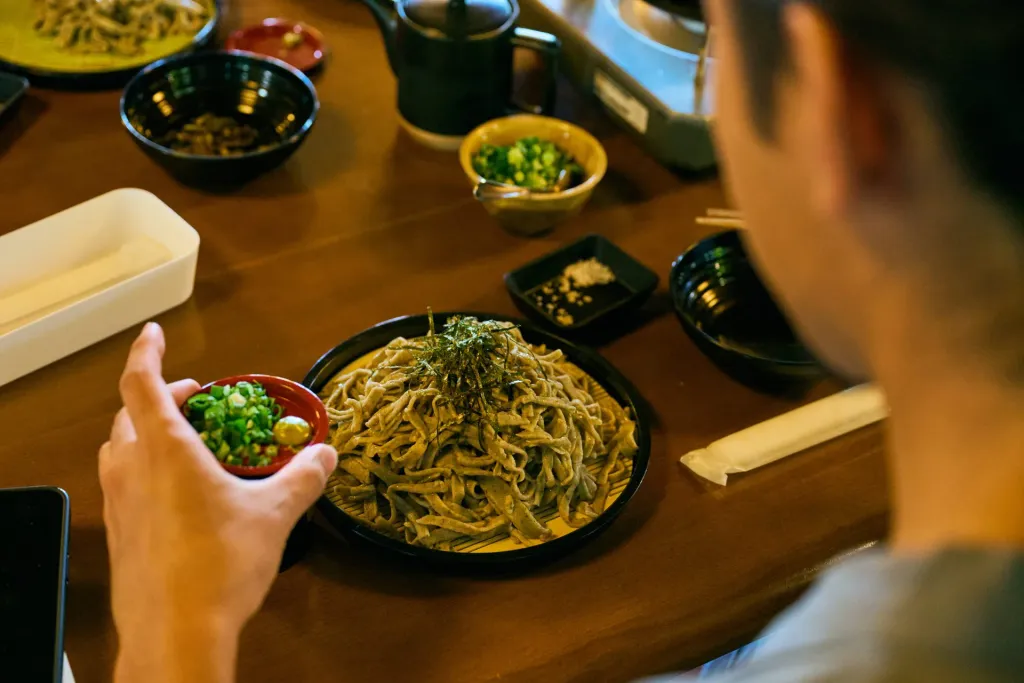
Matcha Soba, Ready to Eat
You stay in the home of a tea farmer in Wazuka, walk the rows with her, and learn how she grows her crop without chemicals. In her kitchen, you cook a meal together using local ingredients and the tea she made herself. Wazuka lies in the hills an hour south of Kyoto City, but the crowds of Kyoto never reach here. The valley is quiet, the air is clean, and the slopes on every side are covered in tea fields. These hills produce about half of all Uji tea, one of Japan's most prized green teas, farmed by families who have worked this land for generations. You also visit Kennin-ji, the oldest Zen temple in Kyoto, where Japanese tea culture began when its founding monk brought tea seeds back from China eight hundred years ago. Few visitors learn tea this way, from the soil through the bowl.

Experience Stories
A Private Visit and Tea Ceremony at Kennin-ji
Kennin-ji is the oldest Zen temple in Kyoto. The monk who founded it brought tea seeds back from China and spread the custom of drinking tea across Japan, so this is where Japanese tea culture began. In a private visit, you take part in a tea ceremony and learn how closely tea and Zen have grown together over the centuries.
A Workshop on the Spirit of the Tea Ceremony
Chanoyu, the tea ceremony, is the practice of preparing and serving matcha for a guest through careful, deliberate movements. It is about far more than drinking tea. In this workshop you learn its etiquette and its spirit, the full attention given to serving and receiving a single bowl. It is a practice that asks you to slow down and be present.
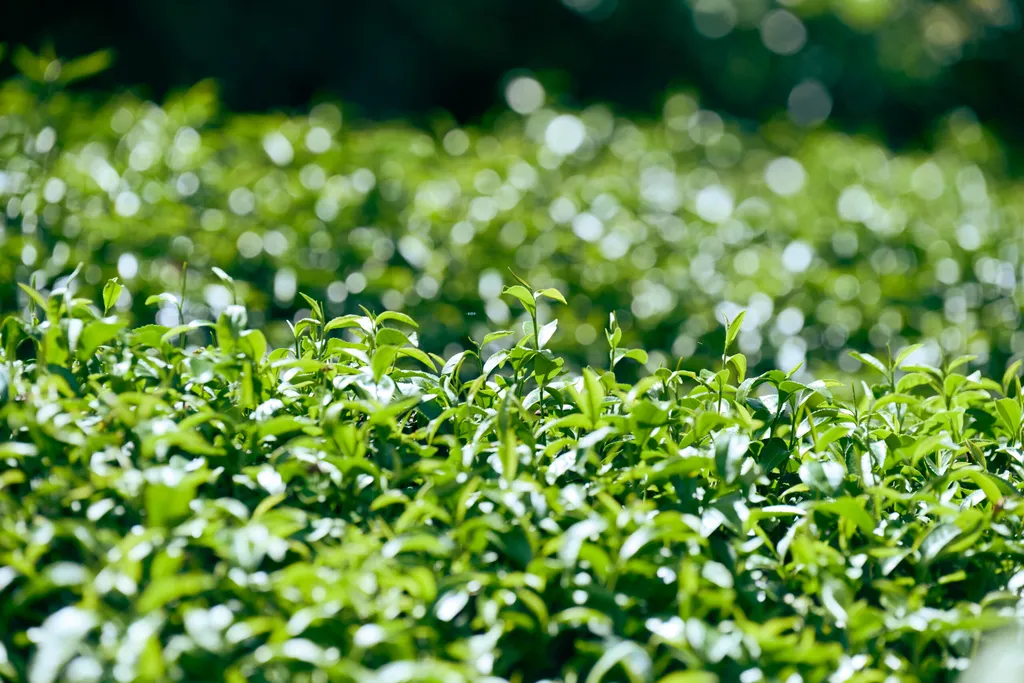
Walking the Tea Fields with a Farmer
In the hills of Wazuka, a tea farmer walks you through the rows she tends herself. She explains why she farms without chemicals, how the steep terrain and cool mountain air shape the leaf, and how each step from picking to drying to grinding affects the tea in the bowl. You pick fresh leaves with your own hands. What is normally seen only by farmers and buyers becomes plain in front of you.
Inside the Tea Production Process
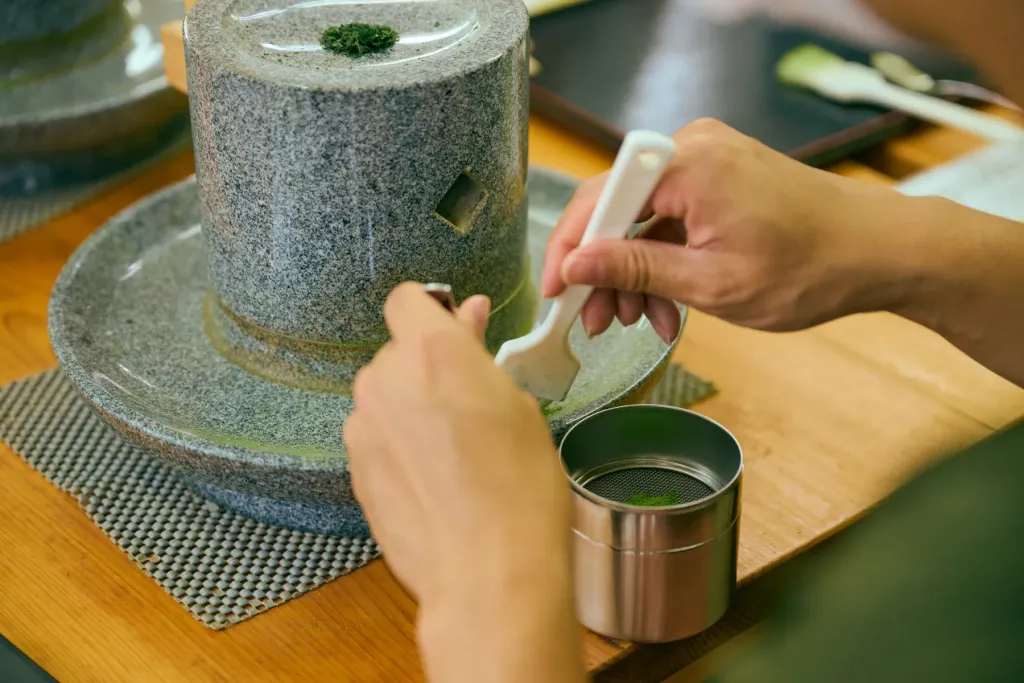
You visit the workshop where the leaves are processed, and the farmer takes you through each stage: steaming, rolling, drying, sorting, and grinding into matcha. You taste the same tea at different points in the process and begin to understand how a single leaf becomes the powder served in a Kyoto tea house.
Cooking and Eating with the Tea Farmer's Family
At the farmhouse, you cook dinner together with the family using local ingredients and the tea they grew themselves. The meal is shared at their table. This is not a restaurant or a staged demonstration. It is one evening of ordinary life in a Japanese tea farming village, made room for by the family who lives it.
A Night in the Farmhouse
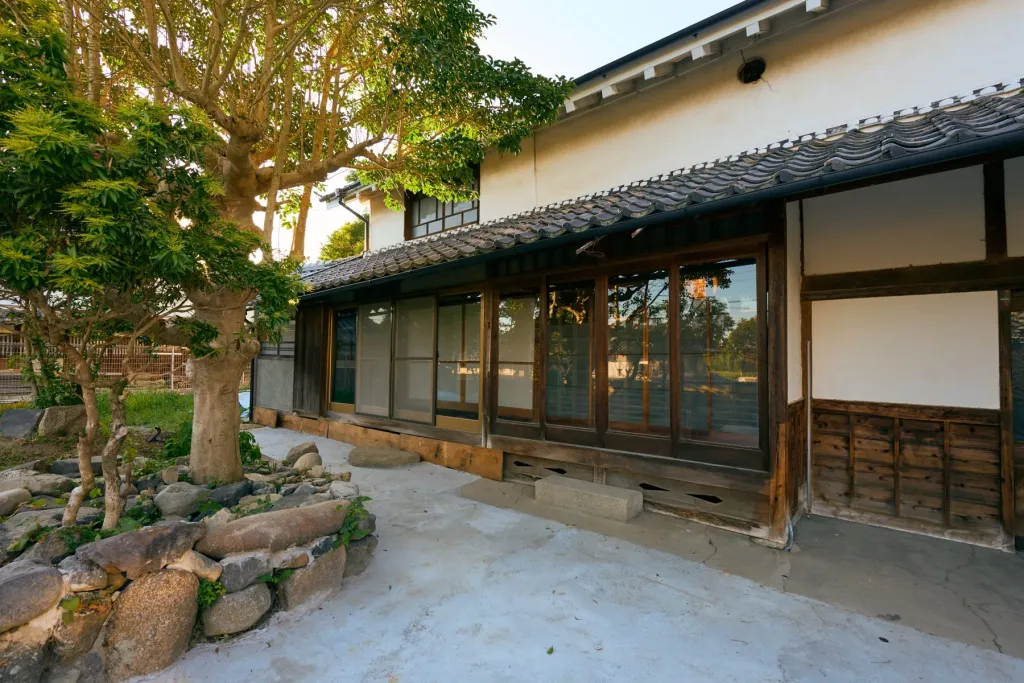
You stay the night in the farmer's home, the same home where her family lives. The room is simple. The morning begins with the quiet of the valley, fresh tea. You leave understanding the place from the inside rather than from a hotel window.
Tea Soba for Lunch
Tea soba, soba noodles made with Wazuka's tea kneaded into the dough, is served at a local shop in the valley. The noodles carry the colour and faint bitterness of the tea grown in the hills around you.
Bespoke Japan Travel
READY TO MAKE IT YOURS?
Tell us what moves you. We'll craft the journey around it.
Start PlanningRELATED EXPERIENCES